Plan your custom business gifts 8–12 weeks before you need them in hand. This gives your team time to choose products, finalize logo artwork, approve a proof, and account for production and shipping before a holiday event or distribution date.
For business owners and marketing teams, the key date is when the gifts need to be in hand, not simply when a carrier needs to deliver a package. Branded orders involve decisions and production steps that ordinary retail purchases may not, and timing can vary with product availability, order size, customization, and destination. A larger order, detailed design, or fixed company event may call for an earlier start, so treat 8–12 weeks as a planning target rather than a universal delivery promise.
Colonial Promotions offers custom t-shirts, polos, drinkware, and golf kits through a streamlined design and ordering process. Choose useful gifts for your audience to keep your logo visible beyond the holidays and give employees or event attendees a shared reminder of your brand. If gifts are going to multiple locations or directly to recipients, allow time to coordinate addresses and shipment details. Start by setting the date gifts must arrive, then work backward to leave room for approvals, production, transit, and distribution.
Key Takeaways
Business owners and marketing teams should start planning custom gifts 8–12 weeks before the gifts need to be in hand, starting earlier for large orders, detailed customization, multiple products, or fixed event dates.
Your team should work backward from the actual in-hand date, allowing time for product selection, logo artwork, proof review and approval, production, shipping, and sorting or distribution.
Marketing teams should confirm availability and separate production and shipping estimates for the exact products, quantities, and destinations, because schedules vary and the 8–12-week window is a planning target, not a delivery guarantee.
Businesses can use useful custom apparel, drinkware, or golf kits to build team unity and keep their brand visible beyond the holidays, while Colonial Promotions’ streamlined design and ordering process supports product and logo decisions.
When Should You Order Holiday Gifts?
Order custom business gifts 8–12 weeks before you need them in hand, and start earlier for large quantities, intricate customization, multiple products, or a fixed event date. Treat that range as a practical planning buffer, not a universal supplier guarantee. Production schedules and shipping estimates vary by product, order details, and destination, so start planning from your actual delivery deadline.
The in-hand date is when the gifts need to be physically available for your plan, not simply the holiday date. For a company party, that may be the day the gifts arrive at the event venue. For employee or customer distribution, you may need them earlier to sort packages or coordinate deliveries. A holiday date on the calendar does not account for those extra steps.
A custom corporate order also needs time beyond ordinary retail shipping. A retail item may be ready to ship, while a branded order can involve choosing products, submitting logo artwork, reviewing a proof, approving the design, producing the items, and arranging delivery. If your team wants matching t-shirts, drinkware, and golf kits, for example, each product may have its own availability and production estimate. Allow enough time for every item in the order to be ready.
Before committing to a date, confirm current production and shipping estimates for the specific products and quantities you want. Ask how long production takes after artwork approval, whether the quoted timing includes shipping, and whether the estimate applies to your delivery location. A date that works for a small order of polos may not work for a larger quantity or several customized products.
Starting early also gives your marketing team more options. You can compare apparel, drinkware, and accessories based on your audience, budget, and intended use, rather than choosing only from products that fit a short deadline. Extra planning time makes it easier to coordinate colors, logo placement, and product styles with your brand goals. Useful, cohesive gifts can support team unity and keep your brand visible after the seasonal event.
Build Backward From Your In-Hand Date
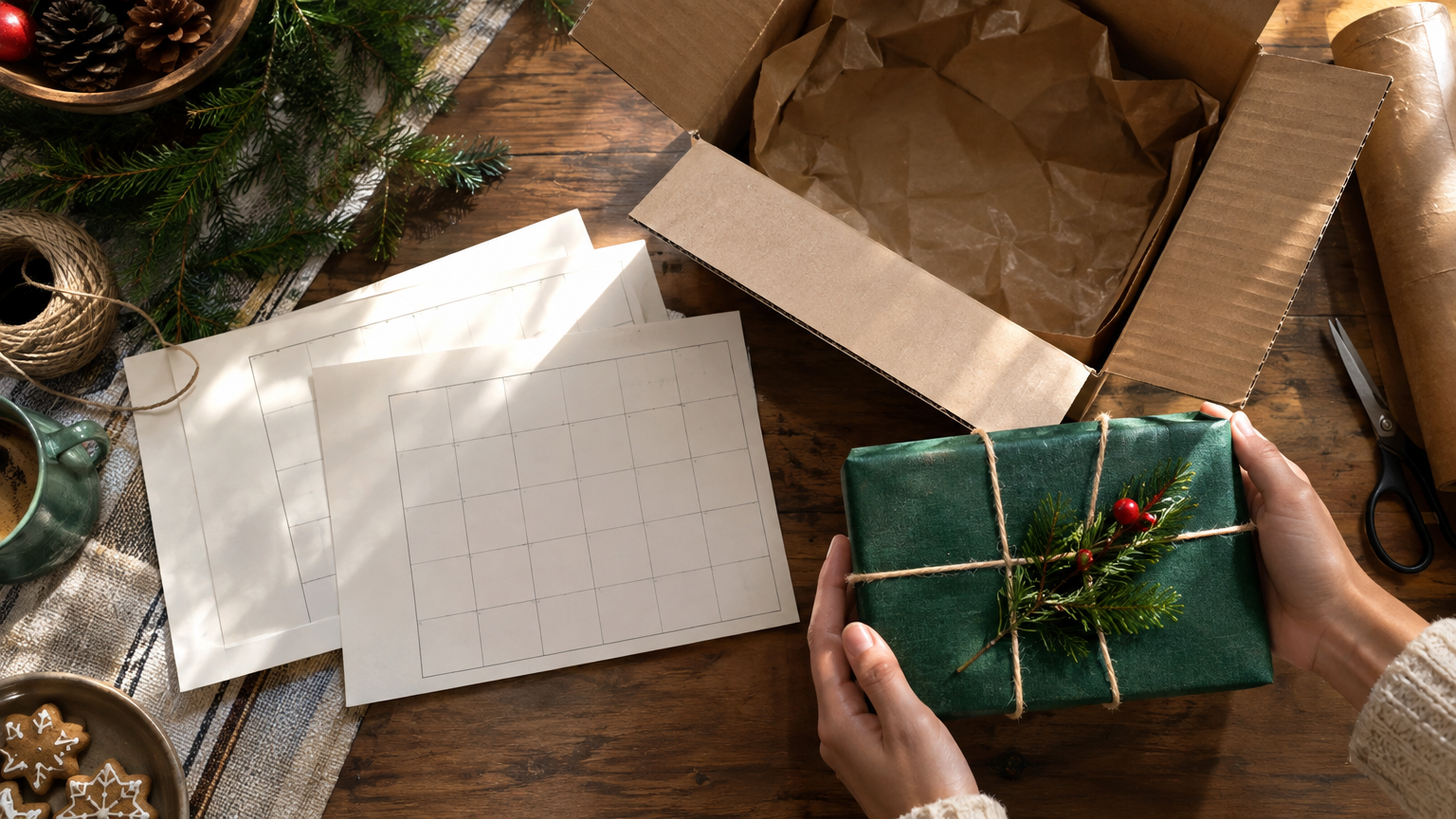
Choose the date the gifts must be physically available, then work backward from that deadline. For example, if employees will receive gifts at a December 15 gathering, set an earlier in-hand date that gives your team time to receive, sort, and distribute the order. For gifts sent directly to recipients, use the date each person needs to receive their package.
Use a calendar with separate milestones for product and artwork decisions, production, transit, and internal handling. The dates below are planning checkpoints. Confirm production and delivery estimates for your specific products, quantities, and destinations.
Set a firm in-hand date. Base it on the event, recipient delivery date, or planned employee distribution, not simply on the holiday. Add time before an event if gifts need to be delivered to a venue or prepared for handout.
Schedule product decisions and logo preparation. Reserve time to choose items such as custom t-shirts, polos, or drinkware, gather logo files, and settle design details. Complete product selection and artwork preparation before production.
Set a proof-review deadline. Allow time for your team to review the design proof and request revisions. Treat written proof approval as a milestone that must happen before production begins, not as an assumed step.
Work backward using confirmed production and transit estimates. Ask for the expected production duration after approval and the shipping estimate to your destination. Record each as its own calendar block, and treat a confirmed delivery estimate as a milestone rather than a guarantee.
Add a buffer before the in-hand date. Leave room for artwork revisions, carrier delays, severe weather, and busy seasonal shipping periods. Avoid using every available day for planned production and transit.
Allow time for internal distribution and multiple destinations. Set aside time to receive and sort the order before employees or event attendees collect their gifts. For several offices or individual shipments, schedule address collection, address checks, package sorting, and shipment coordination. Each destination can add handling time.
How Long Does Custom Production Take?
Custom production times vary by product, customization method, order quantity, and availability, so no single turnaround applies to every holiday order. The schedule includes more than the time spent making the items: product selection, artwork preparation, proof review, approval, production, and shipping all affect when the gifts arrive.
Start by confirming that your preferred products are available in the styles, colors, and quantities you need. Custom t-shirts, polos, drinkware, and accessories may have different production timelines because each product and logo application can involve different processes. A product’s schedule may also vary by color or quantity, so confirm availability for the exact order before finalizing your plans.
Once you choose your products, submit the logo artwork and any instructions for placement or sizing. You will then review a proof, a visual preview of how the logo is expected to appear on the product. Check the logo, wording, colors, and placement carefully. Gather feedback from everyone who needs to approve the design, then submit one clear set of requested edits. Colonial Promotions’ streamlined design and ordering process can make product and design decisions easier, while accurate, prompt approvals help the order move to production without avoidable pauses.
Production generally begins after you approve the proof. Changes requested after approval can require a revised proof or adjustments to the order, which may affect the schedule. Consolidating feedback before approval helps reduce back-and-forth and gives the production team a clear final design to work from.
After production, the order must travel to your destination. Ask for the expected production window after proof approval and the estimated transit window separately. Then confirm whether the estimates apply to your products, quantity, and delivery location. For example, if your order combines polos, drinkware, and branded accessories, ask whether each item has its own production timing and whether all items are expected to ship together. Planning around confirmed windows helps you choose gifts that build team unity and keep your brand visible without assuming every product follows the same turnaround.
What Can Delay a Branded Gift Order?
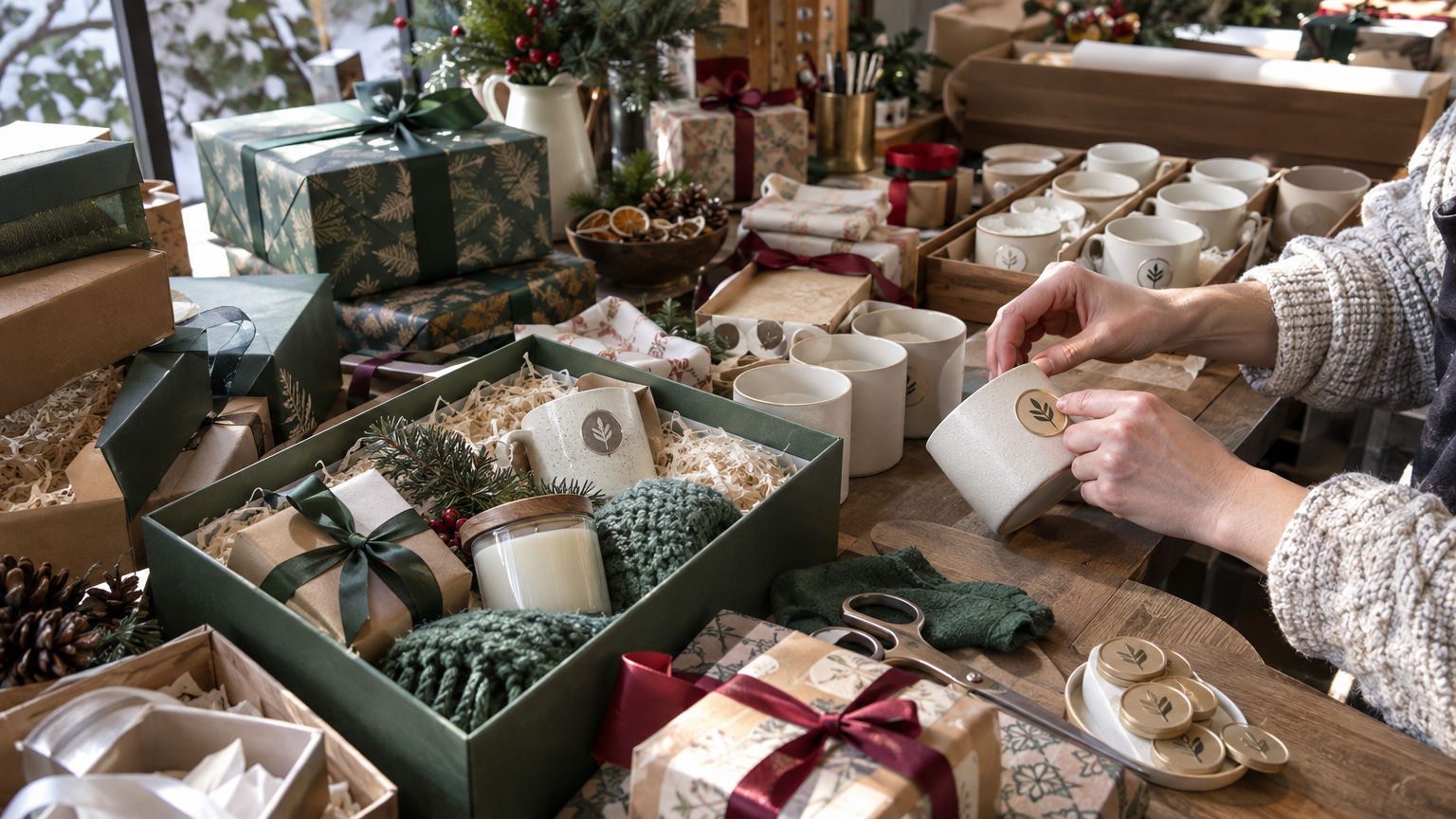
Late decisions, missing information, and order complexity can delay a branded gift order by holding up design approval, production, or fulfillment. Reduce the risk by identifying who must make each decision and setting firm deadlines before placing the order. Common schedule risks include:
Late product selection or incomplete logo files, which can prevent the design proof from being prepared.
Slow proof approval or last-minute design changes, which can pause production while the artwork is reviewed or revised.
Large quantities, limited product availability, or multiple customization details, which may need extra production time.
Incorrect recipient information or late decisions about delivery locations, which can complicate sorting and fulfillment.
Set a clear internal approval deadline and share it with everyone involved, including marketing, purchasing, and anyone responsible for approving the logo or budget. Ask one person to collect feedback and submit a single set of edits. Check that the logo file is complete and that names, addresses, quantities, and delivery locations are confirmed before final approval. If the original product or design puts the in-hand date at risk, choose a backup product with a confirmed schedule or simplify the customization. For example, a team planning matching polos and drinkware might select an available product option or use a straightforward logo treatment instead of waiting on several detailed design adjustments. A consistent logo across gifts can still support a unified experience and give recipients a useful reminder of your brand. For gifts going to multiple offices or individual recipients, settle the delivery plan early. Confirm who will receive each package and verify addresses before fulfillment begins. Late changes can require extra coordination and make it harder to get every gift to the right place on time.
Choose Products That Fit Your Timeline
Choose gifts based on what your recipients will wear or use after the holiday. An item that fits someone’s routine can keep your company logo visible long after a seasonal event, while a product that does not suit the audience may spend little time in view. Consider whether you are recognizing employees, thanking customers, or outfitting attendees before choosing a gift.
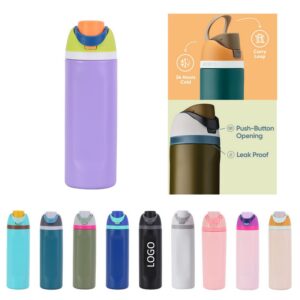
T-shirts and polos can give employees a shared look at a company gathering, team activity, or casual workday. Drinkware offers an everyday branding opportunity when recipients use it at work or on the go. Colonial Promotions offers custom apparel and drinkware, with company logos added through a streamlined design and ordering process.
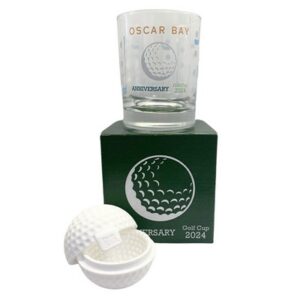
Golf kits can suit business gifting or a company event when golf fits your recipients’ interests and the order can be completed within your available lead time. For a golf-focused customer event, a branded kit may feel more relevant than apparel. For a mixed employee group, t-shirts, polos, or drinkware may be easier for the team to use. Check the kit’s availability and customization schedule against the date you need it.
Coordinate product choices, colors, and logo treatment so gifts feel like one brand experience, even when the items serve different purposes. For example, matching the apparel color to your brand palette and using a consistent logo treatment on drinkware can create a cohesive set without making every item identical. Before finalizing your selection, confirm availability in the specific colors and quantities you want, and check the customization schedule for each product. T-shirts, polos, drinkware, and golf kits may not share the same options or production timing.
How Should You Handle Shipping Deadlines?
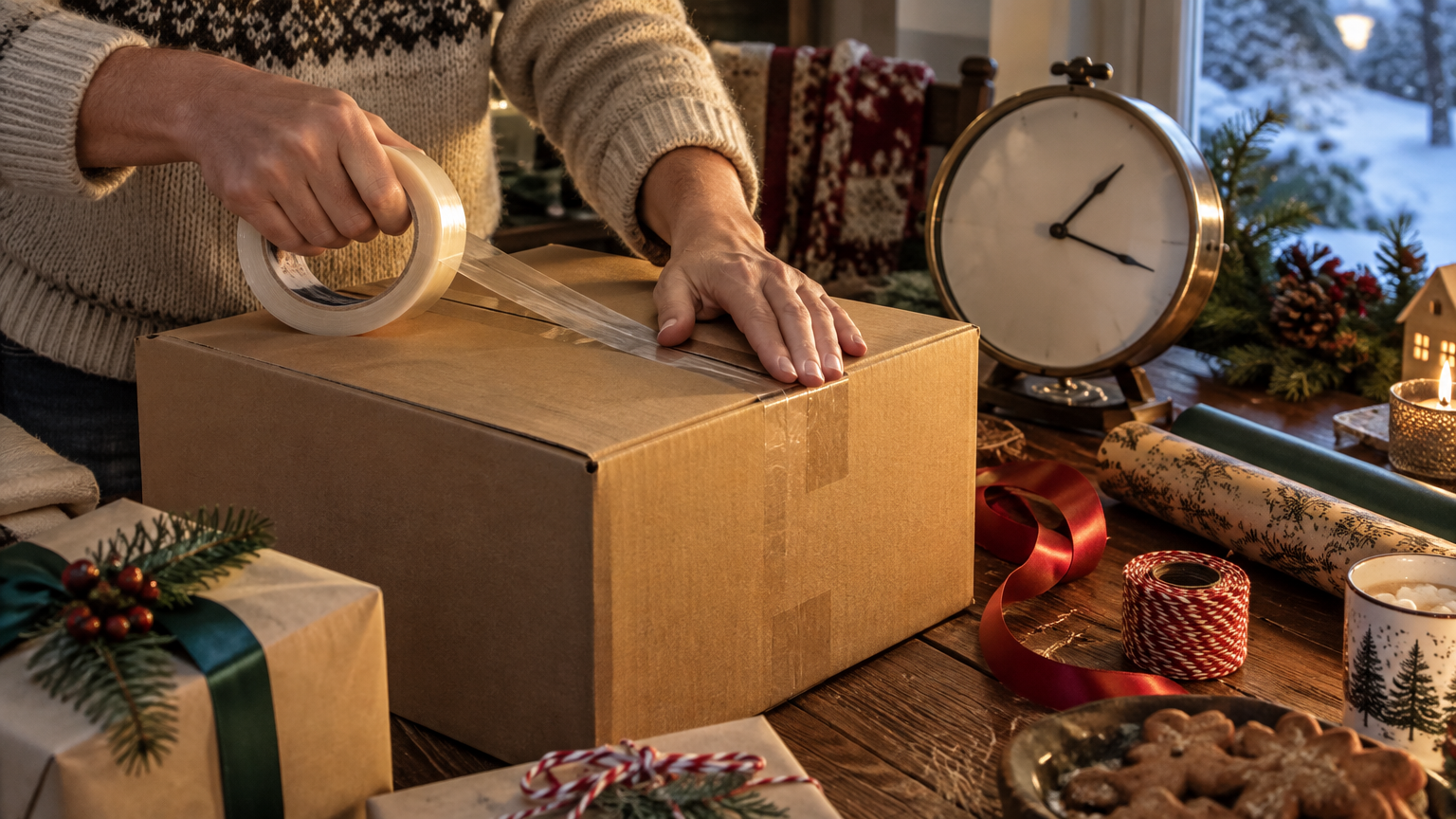
Handle shipping deadlines by working backward from the date you need the gifts and treating the carrier’s holiday cutoff as the final transit limit, not the order deadline for custom branded merchandise. A carrier cutoff concerns when a package must enter the carrier’s network. A custom gift also needs time for proof approval and production before it is ready to ship.
Carrier deadlines can change each holiday season and vary by service, destination, and shipment details. Check current holiday guidance on the official website of the carrier you plan to use, such as USPS, UPS, or FedEx, and confirm the cutoff for the specific service and destination. A deadline for one service or location may not apply to another, and the carrier’s published date is not a substitute for a confirmed production schedule.
Build extra transit time into your plan rather than scheduling shipment right against the cutoff. Remote destinations may take longer, while sending packages to multiple addresses can add separate handling and transit considerations. Severe weather can also disrupt routes, so leave room for delays outside your team’s control.
Decide early whether the gifts will go to one office for distribution or directly to recipients. Shipping a batch to one office gives your team a chance to check, sort, and hand out the gifts together, but your plan must account for the office’s receiving and distribution schedule. Direct-to-recipient shipping can simplify distribution across locations, but it requires a complete, accurate address list and coordination for individual packages. For example, if your company is sending branded polos to employees in several regions, confirm whether the order can be fulfilled to each address and how the shipping estimates apply to those separate destinations.
Keep recipient communications flexible until production and shipping estimates are confirmed for the actual products, quantities, and destinations. You can share an expected arrival date once the schedule is verified, but avoid promising a specific delivery date based only on a carrier cutoff or a general seasonal estimate. If a date is essential for a holiday event or announcement, set an earlier internal arrival target to preserve time for receiving and distribution.
A Holiday Order Plan by Milestone
Use your target in-hand date as the anchor for this sample schedule. The milestones are a planning framework, not a universal production guarantee. Adjust them to the confirmed production and transit estimates for your products, quantities, customization, and destinations.
- 12 or more weeks before: Set the in-hand date and identify the audience, quantity, and budget. Choose a product direction that fits your brand and recipients, such as polos for a team event or drinkware for customer gifts.
- 10–12 weeks before: Confirm availability for the exact product styles, colors, and quantities you want. Submit logo assets and request a design proof. Assign one person to gather feedback from marketing, purchasing, and other approvers.
- 8–10 weeks before: Review the proof for logo placement, wording, and colors, then approve it and place the order. Allow more lead time for complex customization, large quantities, or orders combining products such as t-shirts, drinkware, and golf kits.
- 4–8 weeks before: Ask for a production progress update and raise any schedule concerns promptly. Operations should confirm recipient addresses, receiving arrangements, and whether gifts will go to one office or multiple destinations. Marketing or operations should also review current carrier guidance for the relevant services and destinations.
- 1–3 weeks before: Track shipments and check that delivery progress still fits the in-hand date. Once gifts arrive, operations can count and sort items for offices, events, or individual recipients. Marketing can share necessary delivery updates without promising an unconfirmed arrival date.
Start Your Holiday Gift Plan
Create a one-page holiday gift brief and assign one person to manage it. Include the date the gifts must be in hand, who will receive them, your target quantity, budget range, and who can approve the logo and final design. This gives your team a shared starting point and keeps product choices and approvals from getting lost in separate conversations.
Then match the gift to its recipients. For employees, note the apparel sizes you need before considering custom t-shirts or polos. For customers, decide whether drinkware or another useful accessory fits your audience. If you are planning a golf event, list the golf kits you want to consider and how many attendees need one. A clear audience and quantity can help narrow your product options.
Collect your current logo file and brand color preferences, then bring the brief to Colonial Promotions. Colonial Promotions offers custom apparel, drinkware, golf kits, and other promotional products through a streamlined design and ordering process. Ask about availability and timing for the exact products and quantities in your brief before announcing the gift or event date.
Start your plan at colonialpromotions.com, with your in-hand date and gift brief ready.
Frequently Asked Questions
1. How do I collect apparel sizes for a company holiday gift order?
Collect apparel sizes with a simple form that lists the available size range and a clear response deadline. Ask each recipient to submit their size directly, then check the totals before confirming quantities so your team can order the right mix of custom t-shirts or polos.
2. Can I combine different promotional products into one holiday gift package?
You can plan a holiday gift set with different promotional products, such as a custom polo and branded drinkware. Confirm that each item is available in your desired quantity and that its production schedule fits your deadline. Ask separately whether the items can be packed or shipped together.
3. Should I choose different holiday gifts for employees and clients?
Different gifts can make sense because employees and clients may have different needs and relationships with your business. Choose practical items that suit each audience, such as apparel for team unity or drinkware for everyday brand visibility, while keeping the logo treatment consistent across gifts.
4. What is the 7 gift rule for Christmas?
The 7 gift rule is an informal gifting approach, not a universal standard with one set of categories. People may use it to limit the number of gifts or organize them by theme, so you can adapt it to your budget and recipients.
5. What is the 3 Christmas gift rule?
The 3 Christmas gift rule is an informal approach that limits a person to three gifts or groups gifts into three categories. There is no single required version, so businesses can use the idea as a budgeting guide while choosing gifts that suit employees, clients, or event attendees.