Smart ways to use your remaining budget before year-end start with eligible purchases tied to a clear business goal, such as custom t-shirts for a team event or branded drinkware for a customer campaign. Before committing, confirm the funds are unallocated and check your company’s approval, purchasing, and accounting rules. Year-end deadlines can affect whether a purchase qualifies.
Start by choosing the outcome you want: increase brand visibility, equip staff, or recognize a team. A useful purchase should reach a defined audience and have a realistic use, rather than simply use up the balance. Colonial Promotions offers custom promotional gear, apparel, and accessories, including t-shirts, polos, drinkware, and golf kits customized with company logos through a streamlined design and ordering process. Thoughtfully chosen branded items can keep your business visible while helping employees feel part of the same team.
Key Takeaways
Use remaining budget only for eligible, uncommitted purchases tied to a clear business goal, such as increasing brand visibility, equipping staff, or recognizing a team.
Confirm approval, purchasing, accounting, and year-end timing rules before ordering, and document the business purpose, intended recipients, quote, purchase order, and invoice.
Choose useful branded products, such as t-shirts, polos, drinkware, or golf kits, to fit a defined audience and occasion, and set quantities from a distribution plan rather than the balance left.
Plan backward from the distribution date, allowing time for logo files, design reviews, edits, final approval, production, and delivery through Colonial Promotions’ streamlined design and ordering process.
Track distribution, recipient feedback, engagement, and leftover inventory to assess brand visibility or team unity and guide next year’s product choices and quantities.
What Should You Do With Leftover Budget?
Use remaining funds only for eligible, useful purchases that support a current business goal. If no suitable option meets that standard, leave the funds unspent. A short review can help you distinguish actual spending capacity from a balance that only looks available, then match any purchase to a need and a realistic outcome.
Separate available funds from commitments. Review the budget alongside unpaid invoices, upcoming payroll, renewals, and planned projects. Set aside every amount already assigned, even if payment has not cleared, so you assess only funds that are truly uncommitted.
Check the rules and timing. Confirm whether unused funds expire at year-end, carry over, or require approval before you spend them. Check which purchasing steps must be completed by the deadline, since an order placed late may not meet your organization’s requirements.
Choose a specific business need. Identify who should benefit and what the purchase should support. A branded appreciation item may help recognize customers, logoed gear may support an upcoming event, and apparel or accessories may help employees feel connected to the team. Choose a purpose before comparing products.
Compare options, then document the decision. Consider whether each eligible purchase fits the intended audience, available funds, and timing. Promotional products can extend brand visibility when recipients have a reason to use them, but a large quantity or attractive price does not make an item useful on its own. If no option meets the need, record why you are holding the funds instead of buying something simply to reach a zero balance.
Check the Rules Before Committing Funds

Before committing remaining funds, identify the budget owner and confirm that the purchase fits the appropriate spending category. Ask whether the category covers branded apparel, employee recognition, or client gifts, and check the approval threshold and purchase-order (PO) process. Confirm whether a PO must be issued before placing the order.
Ask finance how the year-end deadline applies to your purchase. Does the order need to be placed, shipped, or paid for by a particular date? The answer can matter for custom polos, since logo setup and production take time. Also confirm how finance will record the purchase: as an expense now, in a later period, or under another accounting treatment.
Check written policies before ordering gifts, employee recognition items, client entertainment, or branded merchandise. Your organization may set per-recipient limits, restrict who can receive items, or require extra review for a golf kit offered to a client. Ask the policy owner about applicable tax, ethics, or industry rules instead of assuming a modest branded item is automatically allowed.
Get written approval before placing the order, and keep it with the quote, PO, and final invoice. Add a short note stating the business purpose and intended recipients. For example, explain how logoed polos will outfit staff at a scheduled event instead of recording only “use remaining budget.” A clear record helps finance match the charge to the approved category.
Finally, distinguish a real need from deadline pressure. If employees need approved apparel for a confirmed event, the timing may justify acting now. If there is no audience, occasion, or planned use, an approaching cutoff alone is not a business case. Confirm the details with your finance or purchasing team, since rules can differ by organization and spending category.
How Can Branded Products Support Your Goals?
Branded products can support your goals by giving customers or employees useful reminders of your business and a tangible connection to your team. For the best fit, identify the intended audience and use case first, then choose a logoed item that suits both. For customer appreciation or events, useful branded items can keep your business visible after a meeting, event, or other interaction ends. Consider who will receive the item and where they are likely to use it. An item suited to the occasion and recipient is more likely to be kept and used than merchandise selected only because it is inexpensive or readily available. For employee recognition, onboarding, or team events, apparel and accessories can help create a shared sense of identity.
Logoed gear can help new employees feel included, recognize a team’s contribution, or give staff a consistent look at a company gathering. The item’s purpose matters: onboarding materials should welcome a new employee, while recognition merchandise should feel appropriate to the achievement. Colonial Promotions offers customizable promotional gear, apparel, and accessories, including t-shirts, polos, drinkware, and golf kits. Company logos can be added through Colonial Promotions’ streamlined design and ordering process, making it easier to prepare branded products for a defined business purpose.
Before choosing, connect the product to a specific audience and setting. A gift for a customer, an item for event attendees, and gear for employees may call for different choices, even when the same budget is available. Avoid treating a low price or immediate availability as the deciding factor. A poor fit can leave products unused and the intended message unnoticed. Promotional products work best as part of a broader marketing plan. A logo can reinforce your identity, but it cannot replace a clear message, a defined audience, or a reason for someone to engage with your business. Tie the purchase to a campaign, event, recognition effort, or onboarding plan so the product supports work already aligned with your goals.
Choose Items for Real Use
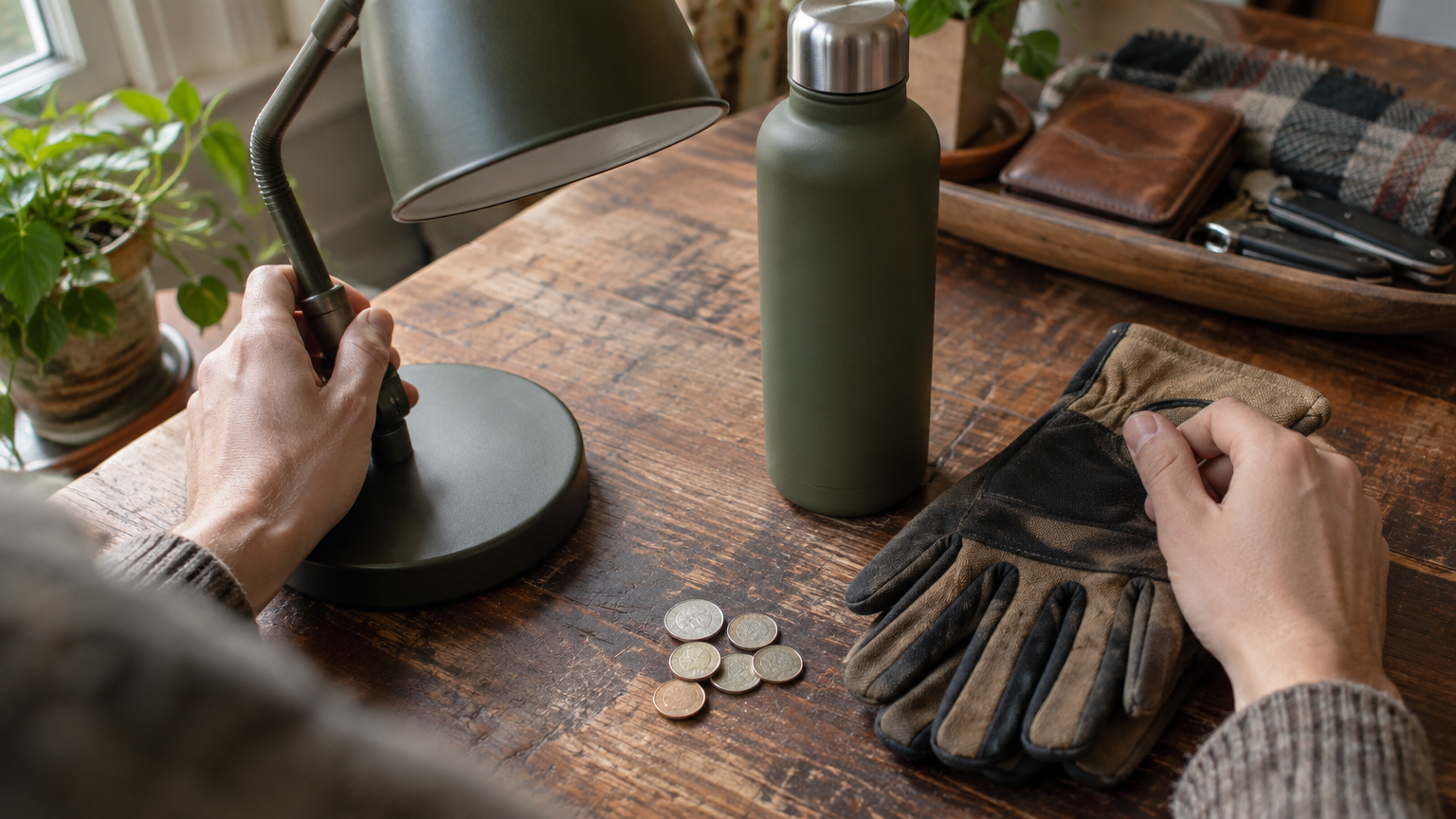
Start with the recipient, then picture when and where that person would use the item. A logo is more likely to be seen when the product fits naturally into someone’s routine or a specific business occasion. T-shirts or polos make sense when a team, event, or customer group has a clear reason to wear branded apparel, such as staff working a community outreach day or participants in a company fun run.
Use the audience and setting to compare options:
Apparel: Choose t-shirts or polos for employees staffing an event or a customer group taking part in a planned activity.
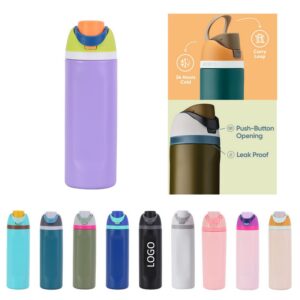
Drinkware: Consider branded drinkware for employees or customers who can use it regularly at a desk, in a break room, or while commuting.
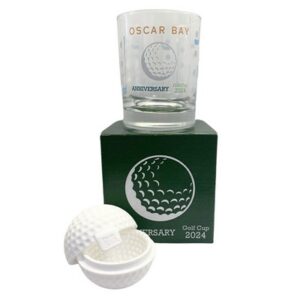
Golf kits: Consider a golf kit when golf is relevant to the recipients, such as players in a scheduled company tournament or a business event built around a round of golf.
Before approving apparel, confirm the size range for the intended recipients, review available colors, and check where the logo will appear. A shirt for event staff may need a different color or logo placement from one distributed to a customer group. Make sure the design is legible on the selected garment and that recipients have a reason to wear it.
Set the quantity based on a distribution plan, not the amount of budget left. Use confirmed event attendance for attendee items, the employee count for team apparel, or a defined customer list for direct distribution. For example, if 38 employees are scheduled for a training day, plan for those 38 recipients and any approved spares instead of ordering a large batch without named users.
A smaller, well-matched order is usually more useful than excess stock with no planned use. If a customer list or event count is uncertain, limit the order to recipients you can identify now. Colonial Promotions offers custom apparel, drinkware, and golf kits, so you can compare options that suit a particular audience instead of assuming one product will work for every business.
What Can Delay a Year-End Order?
A year-end order can miss its purpose if delivery needs, design approvals, order details, or internal sign-off are not planned backward from the date you need the items. To make custom t-shirts, polos, or drinkware useful to their intended audience, start with the distribution date and work through each decision in order.
Confirm when recipients need the items, then ask Colonial Promotions about current production and delivery timelines for the product you are considering. Timelines can vary, so do not base your decision on an assumed arrival date.
Allow time to provide logo files, review the design, request edits, and approve the final version. Build in time for feedback so a small logo adjustment does not compress the rest of the schedule.
Assign one person to gather comments from marketing, finance, and other reviewers, resolve conflicting feedback, and approve the final design. A single point of contact helps prevent duplicate edits or uncertainty about which version is approved.
Before placing the order, verify the quantity against the distribution plan, confirm apparel sizes and product colors, check the delivery address, and ensure the total fits the approved budget. Obtain any required internal sign-off before submitting the order.
If the schedule is tight, consider whether a later distribution date would make the purchase more useful than rushing it. For example, polos for a team gathering may serve their purpose better at a rescheduled event than if they arrive after the gathering.
Track Results Into Next Year's Plan

Keep a record for each order that lists the product, total cost, quantity, audience, distribution date, and intended purpose. For branded drinkware, specify whether employees, event attendees, or customers received it, and whether the goal was brand visibility or team unity. Save the invoice and distribution record so you can compare planned recipients with actual distribution.
After distribution, track practical signals related to the purpose, such as event engagement, including conversations or follow-up requests, employee participation, and recipient feedback. Record how many items were handed out, how many remain in storage, and whether recipients report using the products or simply keeping them. Distinguishing between use and keeping can show whether an item became part of someone’s routine.
At your budget review, compare distribution, engagement, feedback, and inventory records with the original goal. Note whether promotional merchandise supported brand visibility or team unity, using recipient comments and observed use. Use distribution totals, feedback, and leftover inventory to adjust next year’s quantities and product choices. Record actual design and production lead times so the next ordering cycle allows enough time for the planned distribution.
Make Your Next Budget Decision Count
Open a purchase request for the specific item you’re ready to order. Include the product, approved spending limit, quantity, intended recipients, distribution date, delivery address, and the person responsible for approving the final design. Attach the current logo file and note any brand-color or placement requirements. This gives your marketing and purchasing teams one clear version to review.
If the recipients or timing are still uncertain, pause the order and ask the relevant team lead for the missing information before design work begins. For an employee order, request final recipient and size details from the person coordinating distribution. For a customer campaign, identify who will hand out the items and when. Keep the request focused on the planned audience instead of increasing the quantity to use more of the budget.
Once your brief is ready, visit Colonial Promotions to explore custom gear, apparel, and accessories. Its streamlined design and ordering process can help you turn an approved plan into logoed products, from polos and t-shirts to drinkware and golf kits. Include your distribution date when you begin so you can confirm whether the product and schedule fit your year-end plans.
Frequently Asked Questions
1. Are promotional products tax-deductible for a business?
In the U.S., branded promotional products may be deductible, but the tax treatment depends on their cost, distribution, and business purpose. The IRS generally limits deductions for business gifts to $25 per recipient per year, while certain low-cost branded items distributed widely may qualify as advertising. Ask a tax professional how the rules apply to your purchase.
2. How can a small business set a yearly budget for promotional products?
Set your yearly promotional-products budget by connecting planned spending to specific marketing or team goals, rather than relying on a universal percentage. Estimate the audience and quantity for each campaign, include design, production, and delivery costs, then review prior distribution and results to guide next year’s choices.